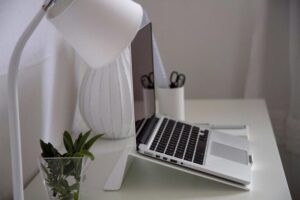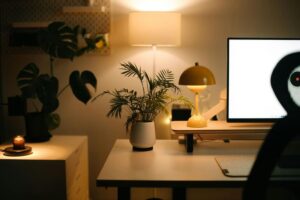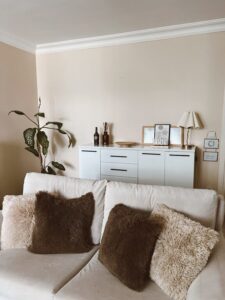
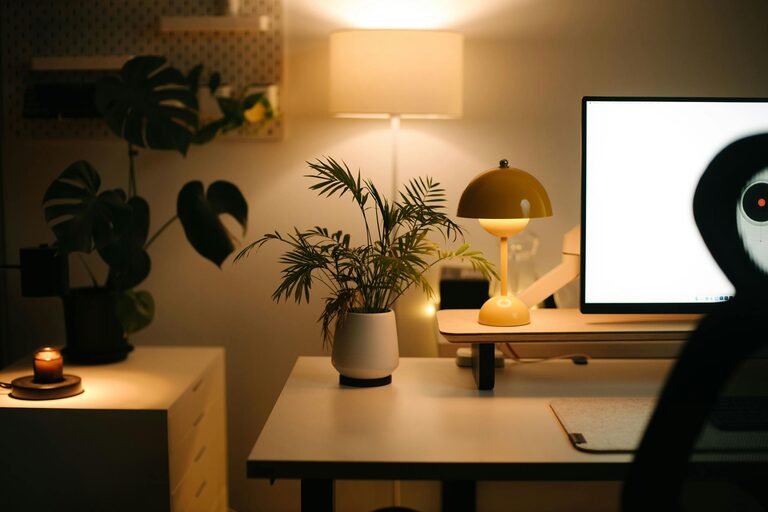
Creating a relaxing home workspace is essential for maintaining productivity and well-being, especially as many people continue to work remotely. A calm and thoughtfully arranged area can help reduce stress, inspire creativity, and improve focus. Whether you have a dedicated room or a small corner, these tips will guide you in designing a comfortable, inviting workspace that encourages relaxation and efficiency.
Choose the Right Location
The first step in crafting a relaxing workspace is to find the best spot in your home. Consider areas with:
– Good natural light: Sunlight can boost mood and energy. Position your desk near a window if possible.
– Minimal distractions: Choose a quiet corner or a room where household noise is limited.
– Comfortable temperature: Ensure the space is neither too hot nor too cold for long working hours.
If space is limited, a section of your living room or bedroom can work well with the right setup.
Invest in Comfortable and Supportive Furniture
Long hours at a desk require furniture that supports your body and posture. Key pieces include:
– Ergonomic chair: Adjustable height, lumbar support, and comfortable padding help prevent back pain.
– Spacious desk: Provides enough room for your computer, notepad, and any other tools.
– Footrest: Helps maintain good leg positioning and reduce fatigue.
Choosing a calming color for your furniture, such as soft wood tones or muted whites, can enhance relaxation.
Use Soothing Colors and Decor
Colors affect mood and concentration. Opt for shades that promote calm and focus, such as:
– Light blues and greens: Known for their calming effects.
– Neutral tones like beige, gray, or soft whites: Create a clean, distraction-free environment.
Incorporate decor that inspires you without cluttering the space. For example:
– Simple artwork or prints.
– Personal mementos that bring joy.
– Minimalist desk accessories.
Avoid overly bright or loud colors that might increase stress or fatigue.
Organize and Declutter
A tidy workspace can significantly reduce anxiety and help maintain focus. Here are some organization tips:
– Use drawers, shelves, or containers to store supplies neatly.
– Keep only essential items on your desk.
– Adopt a daily routine to clear items and files after work.
Labeling storage helps find things quickly and keeps the area orderly.
Add Natural Elements
Bringing nature indoors enhances relaxation and creativity. Some ideas include:
– Small indoor plants: Succulents, ferns, or snake plants are easy to care for and purify the air.
– Natural materials: Use wooden desk organizers or bamboo mats for a warm feeling.
– Natural scents: Consider essential oils like lavender or eucalyptus to create a soothing atmosphere.
Even a simple vase with fresh flowers can brighten your workspace.
Control Lighting
Proper lighting reduces eye strain and creates a welcoming ambiance. To optimize lighting:
– Use adjustable task lighting to focus on your work area.
– Supplement natural light with soft white lamps.
– Avoid harsh overhead fluorescent lighting.
Consider smart bulbs that allow you to change brightness and color temperature throughout the day.
Minimize Noise and Distractions
Noise can disrupt concentration and increase stress. Ways to reduce noise include:
– Use noise-canceling headphones or soft background music.
– Add soft materials like rugs, curtains, or cushions to absorb sound.
– Communicate space boundaries to family or housemates.
If complete silence is difficult, gentle sounds like nature recordings or white noise can help maintain focus.
Incorporate Break and Movement Space
Relaxation also involves regular breaks and movement. Create a small area nearby where you can:
– Stretch or do light exercises.
– Step away from screens for a few minutes.
– Practice mindfulness or breathing exercises.
Even a comfortable chair or a small corner with cushions can provide a mental break during the workday.
Personalize Your Workspace
Finally, make your workspace feel uniquely yours. Personal touches create comfort and motivation. Consider:
– Photos of loved ones or favorite places.
– Quotes or affirmations that encourage positivity.
– Items that reflect your hobbies or interests.
Just be mindful not to overcrowd the area; balance is key.
—
In Summary
A relaxing home workspace blends comfort, organization, and personal style to create a productive environment. By choosing the right location, investing in ergonomic furniture, adding calming colors, and incorporating nature and lighting, you can design a space that supports your work and well-being. Remember to keep your workspace neat, limit distractions, take regular breaks, and add personal touches that make your workday more enjoyable.
With these tips, your home office can become a sanctuary of calm and creativity, no matter the size or layout. Happy decorating!