
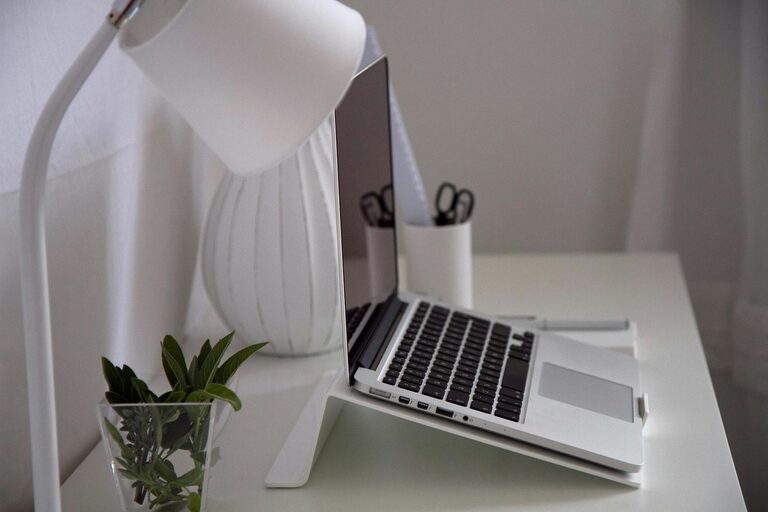
Creating an organized home workspace is key to maintaining focus and increasing productivity. Whether you work from home full-time or just need a corner to manage personal tasks, a well-arranged space can make all the difference. This post offers simple and effective tips to help you organize your home workspace for maximum efficiency and a calm, inviting atmosphere.
Why Organizing Your Workspace Matters
An organized workspace minimizes distractions and reduces stress. When everything has its place, you spend less time searching for documents or tools, and more time getting work done. Plus, a tidy environment promotes a positive mindset, encouraging creativity and motivation.
Assess Your Current Setup
Before making changes, take a few minutes to evaluate your current workspace. Ask yourself:
– What items do I use daily?
– Are there things I rarely or never use that clutter the space?
– How is the lighting and seating comfort?
– Is the layout helping or hindering my workflow?
Understanding your needs will guide your organizing efforts effectively.
Tips for Organizing Your Home Workspace
1. Declutter Regularly
Start by removing items that do not belong in your workspace. Clear your desk of unnecessary papers, old stationery, and gadgets you don’t use. Keep only essential items within arm’s reach to reduce distractions.
– Sort papers into categories: urgent, file, or recycle.
– Use digital tools to store documents instead of keeping physical copies.
– Donate or recycle unused supplies.
2. Use Smart Storage Solutions
Invest in storage that fits your space and needs. Shelves, drawers, and organizers keep your items tidy and accessible.
– Use desk organizers for pens, notebooks, and small items.
– Store bulky items or files in filing cabinets or boxes.
– Label drawers and containers so you can quickly find what you need.
3. Optimize Your Desk Layout
Arrange your desk to support your work habits.
– Position your monitor or laptop screen at eye level to avoid neck strain.
– Place frequently used items like your phone, notebook, or calendar within easy reach.
– Keep your workspace surface clear to provide room for writing or other tasks.
4. Improve Lighting
Good lighting reduces eye strain and improves focus.
– Use natural light from windows whenever possible.
– Add desk lamps with adjustable brightness for early mornings or late evenings.
– Avoid harsh fluorescent lights; opt for warm, soft lighting that feels comfortable.
5. Personalize Your Workspace
Adding personal touches can make your workspace more inviting and inspiring.
– Include a few decorative items like a plant, photo frame, or artwork.
– Choose colors or themes that make you feel energized and relaxed.
– Limit personalization to avoid visual clutter.
6. Manage Cables and Electronics
Tidy cables not only look better but also prevent accidents.
– Use cable clips, sleeves, or ties to bundle cords neatly.
– Position charging stations out of the way but accessible.
– Remove unused electronic devices from the desk.
7. Set Up a Routine for Maintenance
Keep your workspace organized by making tidying part of your daily or weekly routine.
– Spend 5–10 minutes at the end of each workday clearing your desk.
– Review your storage and supplies regularly to discard what’s unnecessary.
– Maintain digital organization by sorting files and emails.
8. Incorporate Ergonomics
Comfort is essential for prolonged productivity.
– Choose a supportive chair with adjustable height.
– Use a footrest if your feet don’t reach the floor comfortably.
– Position your keyboard and mouse so your wrists are in a natural position.
9. Create Zones for Different Activities
If space allows, designate areas for various tasks.
– A computer area for focused work.
– A writing or brainstorming zone.
– A storage section for supplies and reference materials.
Having distinct zones helps your brain switch tasks smoothly.
Final Thoughts
An organized home workspace is more than just a neat desk—it’s an environment designed to support your productivity and well-being. By decluttering, creating smart storage, optimizing lighting, and personalizing intelligently, you can transform your space into a productive haven.
Start with small changes today and see how they positively impact your focus and efficiency. Remember, the key is consistency and adapting your setup as your needs evolve.
With these simple yet effective tips, your home workspace will become a place where you look forward to working every day.