Creating a home workspace that balances comfort and productivity can make a significant difference in your daily work routine. Whether you’re working remotely full-time or occasionally catching up on tasks, a well-designed workspace helps you stay focused, reduces distractions, and keeps you motivated throughout the day. Here are some practical tips to set up a cozy and productive home office.
Choose the Right Location
Find a Quiet Spot
Select a space in your home that is relatively quiet and free from distractions. This could be a spare room, a corner of your living room, or even a section of your bedroom. The key is to find somewhere that allows you to concentrate without interruptions from household noise or activities.
Consider Natural Light
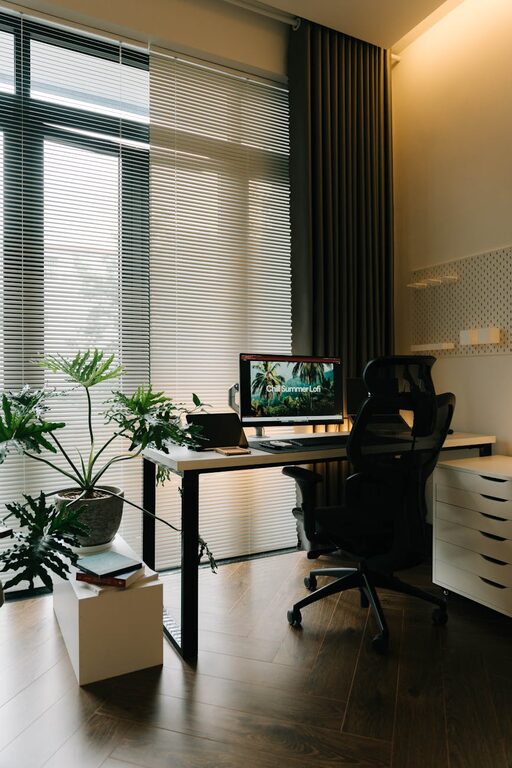
If possible, position your workspace near a window to take advantage of natural light. Natural light improves mood and energy levels, reducing eye strain compared to artificial lighting. If a window isn’t an option, invest in quality lighting that mimics natural light.
Invest in Ergonomic Furniture
Comfortable Chair and Desk
Select a chair that supports good posture with adjustable height and lumbar support. Pair it with a desk that fits your space and workflow. Ergonomic furniture prevents discomfort and reduces the risk of strain or injury during long work sessions.
Adjust Your Screen Height
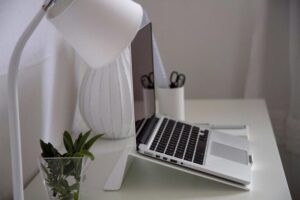
Place your computer monitor at eye level to avoid neck strain. Using a monitor stand or a stack of books can help position the screen correctly. Your keyboard and mouse should also be within easy reach to maintain a neutral wrist position.
Personalize Your Workspace
Add Cozy Elements
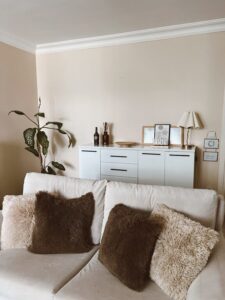
Incorporate soft textures like a comfortable cushion, a throw blanket, or a small rug. These elements create a warm, inviting atmosphere that makes you want to spend time in your workspace.
Use Beneficial Scents and Plants
Adding a plant not only brightens the space but also improves air quality. Subtle scents, such as lavender or peppermint, can enhance focus and reduce stress. Use essential oil diffusers or candles safely to create a calming environment.
Organize and Declutter
Keep Essentials Within Reach
Organize your workspace so that frequently used items are easily accessible. Use desk organizers, trays, or drawers to keep pens, notebooks, and other supplies tidy.
Minimize Clutter
Clutter can be distracting and overwhelming. Regularly clear your desk of unnecessary items and create a habit of filing or discarding papers daily. This helps maintain a clean and focused environment.
Establish Boundaries
Separate Work from Home Life
Try to keep your workspace separate from living or leisure areas. This helps your brain distinguish between work time and downtime, improving work-life balance.
Set Work Hours
Create a schedule and stick to it. Having defined working hours encourages productivity and prevents work from creeping into your personal time.
Use Technology Wisely
Invest in Reliable Equipment
Ensure your computer, internet connection, and other equipment are reliable and up to date. Technical issues can disrupt workflow and increase frustration.
Minimize Digital Distractions
Use apps or browser extensions to block distracting websites during work hours. Turn off non-urgent notifications on your devices to stay focused.
Incorporate Breaks and Movement
Take Regular Breaks
Schedule short breaks to rest your eyes and stretch your body. Even a few minutes every hour can help maintain energy and concentration levels.
Create a Movement Routine
Incorporate light exercises or stretching into your routine to promote circulation and reduce stiffness. Standing desks or adjustable workstations allow you to alternate between sitting and standing.
Personal Tips for Long-Term Success
Change Your Setup Periodically
Changing your workspace layout or décor occasionally can refresh your mind and boost creativity.
Listen to Background Music or Sounds
Some people find that background music or white noise helps them focus. Experiment to see what works best for you.
Final Thoughts
Designing a home workspace that is both cozy and productive takes some thought, but the payoff is worth it. By creating an environment tailored to your comfort and work style, you can improve focus, reduce stress, and make your workday more enjoyable. Start small, assess what you need, and adjust your space as you go to find the perfect balance for your home office.